
Echos
Of Justice, Kindness and Humility

This time of year, with Maine and New Hampshire woods deeply redolent with the scent of pine, I am transported back to the many summers I spent on the campus of the New England Aeronautical Institute in Nashua, New Hampshire, the site of the Wayne Embry Basketball School. From 5th through 10th grade, saturated in the fever dream of playing high school, college and professional basketball, I’d fly from Milwaukee to Nashua to spend 1-2 weeks of school vacation honing basketball chops, learning skills, expanding my court repertoire, and soaking in the wisdom of professional players who dropped by for clinics. The players were generally Celtics and Bucks, a reflection of Wayne’s last two teams he played with before moving on to an illustrious, Hall of Fame career as the NBA’s first African American General Manager. On-court seminars before two hundred young men rapt in attention were led by Don Nelson, Brian Winters, Steve Kuberski, Bob Kauffman, and the most unique legend for us, Togo Plazzi, a Union, New Jersey native who played college ball at Holy Cross and professionally for the Celtics and the Syracuse Nationals before a career in coaching. Togo’s defensive clinics were like army bootcamp, screaming at us directions for seemingly endless, grueling exercises that emphasized the simple lesson: legwork is the key to guarding your opponent. That’s where defensive stops are won. “FOOTFIRE!” he bellowed, and we obeyed, ready to die on the hill of presses and traps and never letting ourselves get beat to the hole.
Exhausted beyond words after a Togo Plazzi seminar, we’d fall to the pavement, find some shade, drink water and with deep breaths to set our heart rates back to normal, take in that New Hampshire pine.
My bunkmate each summer was Wayne, Jr., Big Wayne’s son, still a dear friend and confidante regarding what’s right and wrong in the world, a habituated inventory we have been practicing on and off now for more than half a century. My own dad, who loved sports but never really played on a competitive level as a kid, relished the vicarity of his children’s forays into sport: basketball, baseball, football, and golf. For a guy as passionate about winning and losing as he was, he was an ideal dad in that regard, never missing games while watching and kibbitzing like a hawk, always with an eye for detail and advice for improvement. He even went to our friends’ games in other sports, a testimony to his devotion in believing what might be possible for someone else, just not for him. Dad was a skinny, first generation Jewish kid. Twice skipped grades, managed a number of high school teams but never played on them, joined the service, finished college on the G.I. bill, and built his family along with a successful career – until things derailed, as they sometimes do.
As I moved through the onslaught of adolescence and swallowed the bitter pill of self-awareness, I remember becoming suddenly conscious of Dad’s entangled emotions of aspirational hope for his kids mixed in with his own remorse for mistakes, if not personal failures, as a man, a husband and father. As a fallen hero, of sorts, he remained ever devoted, loving, and funny, a brilliant observer of life’s mysteries, absurdities and occasionally wondrous expressions.
Like many men of his generation, he was a proud Jew but was never interested in doing much about it except to maybe throw a punch at an occasional antisemite – which isn’t nothing but let’s be honest, it’s just not enough. And so his posture with me, who asked for a bar mitzvah as a kid, who revered his own parents and their stories of resilience, was to immerse me and my siblings in sport, education and the wide open road of what our country had to offer. This would be the best path for a Jew in America.
By the time I finished high school (which included not growing anywhere near six feet and hitting the skids as far as athletic aspirations were concerned) I had begun asking Jewish questions on my own. I wouldn’t say that Dad was bemused – he was proud, supportive, curious about my path and could also sense, which I really came to understand over the course of the many years after his sudden death, that in my strong desire for a life filled with more Jewish practice and identification than he was willing or capable of giving me, that I would have other teachers, fathers even, who would play that role.
In the opening chapter of the Pirke d’Rabbi Eliezer, a medieval rabbinic exegetical work, Eliezer ben Hyrcanus, the son of wealthy landowner who wants his son to take over the family estate, rejects his father’s material patrimony and begs to study Torah. He is visited by Elijah the Prophet, who encourages Eliezer to travel to Jerusalem and learn with Rabbi Yohanan ben Zakkai, the leading sage of his era. Eliezer himself became a great teacher. When his father comes to visit the academy, in order to disinherit the son for not going into the family business, the father witnesses Rabbi Yohanan’s pride in his pupil Eliezer’s brilliant erudition:
“Yohanan came from behind Eliezer and kissed him on his head, saying to him: Happy are ye, Abraham, Isaac, and Jacob, because this one has come forth from your loins.” Eliezer is transformed by Yohanan from not just being the son of his father Hyrcanus, but is also welcomed into the lineage of the Biblical patriarchs of Genesis by his teacher/father Yohanan. And so, therefore, in so far as we have many teachers, we have many kinds of fathers and mothers. Any parent who has seen their child thrive under the guidance of another knows this to be true. It was an unspoken understanding between Dad and me and all these decades later, boy would I love to talk to him about it.
Such consciousness is a gradual accretion, a layering of experiences and then, occasionally, there are flashes, glimmers, even ruptures — and whole new topographies of identity as we make our way through life.
Looking back on those hot summer days on the court in Nashua, with Mr. Embry overseeing the camp from the sidelines, quietly keeping watch over his many hopeful disciples in eager heaps of salty, sweaty, hoop-crazed fervor, I have clear memories too of Wayne’s business partner and camp co-owner Alan Kupper, a Nashua furniture store owner much like my great Uncle Joe, Uncle Bill and Cousin Mike – an intergenerational Jewish family business enterprise that represented a foothold in coming to America.
I don’t remember any specific conversation with Mr. Kupper, no pearls of wisdom, per se. But Wayne Jr. and I still often reference a couple nights out into town for a meal and ice cream, a brief respite from the dorm food at camp and a chance to hang with the two men who ran the place. I remember one warm summer drive back from town, staring out the window into the dark, New Hampshire summer night, listening to the radio while Mr. Kupper and Mr. Embry briefed the day and planned for tomorrow.
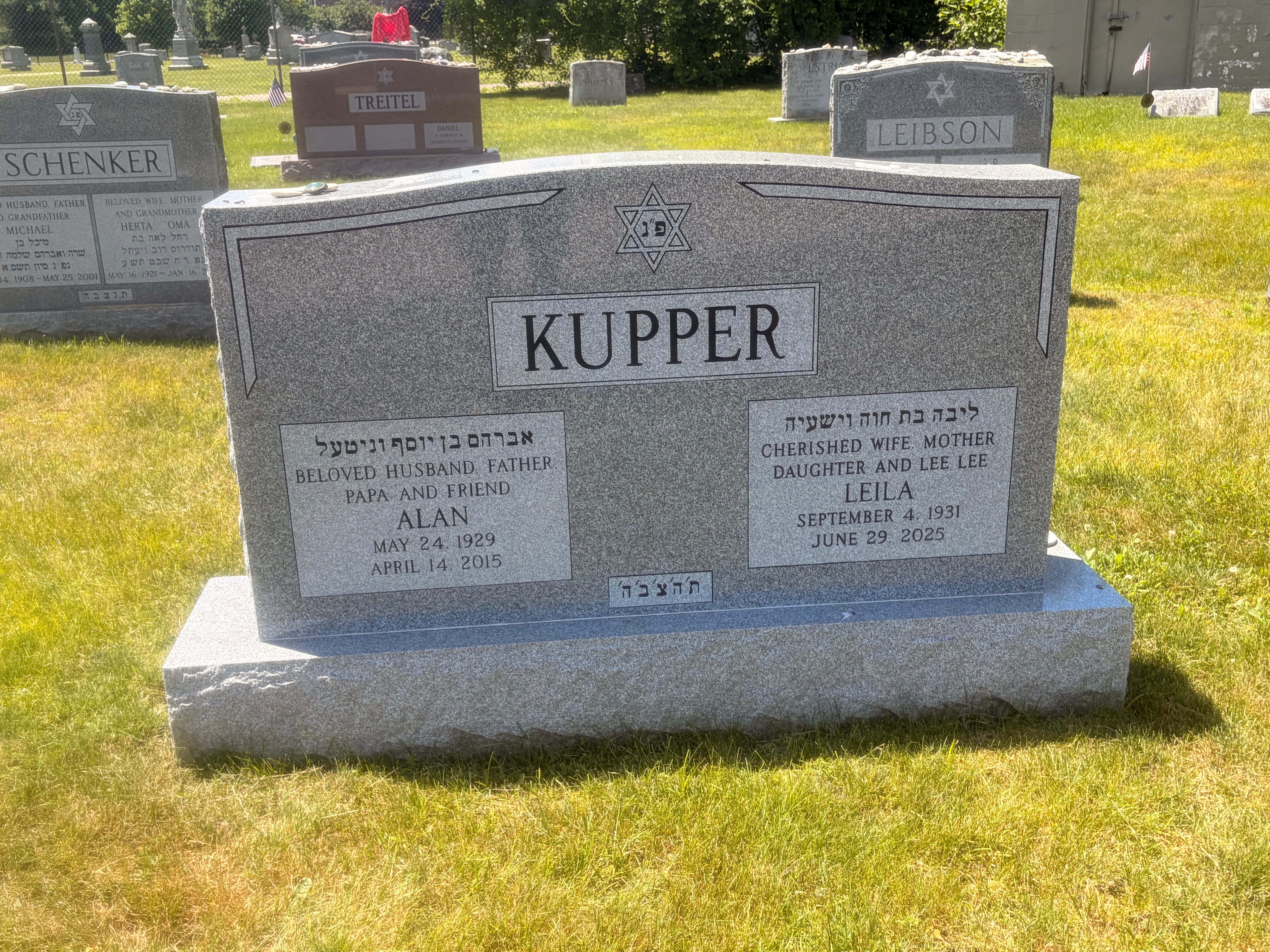
Since I serve Temple B’nai Israel in Laconia, N.H. twice a month, I had a real excuse to look up Mr. Kupper, wondering what his life was all about, fifty years later. Born in Boston in 1929 (making him five years younger than Dad) after serving in the U.S. Air Force and attending the University of New Hampshire, he married his wife Leila and together they raised a family (including children, grandchildren and great-grandchildren) while running Franklin Furniture in Nashua. In the obituary following his death in April 2015, I learned that he owned several basketball camps with other former Celtics, maintained his passionate connection to sport, including managing a minor league baseball team in Nashua and promoting the Harlem Magicians in northern New England, a breakaway franchise of the Harlem Globetrotters. One of the players who went from the Globetrotters to the Magicians, by the way, was the great Marques Haynes. And speaking of teachers and the centrality of learning and lineage, watch Marques Haynes’ speech at his own induction into the Basketball Hall of Fame. It’s a masterpiece in honoring those we learn from.
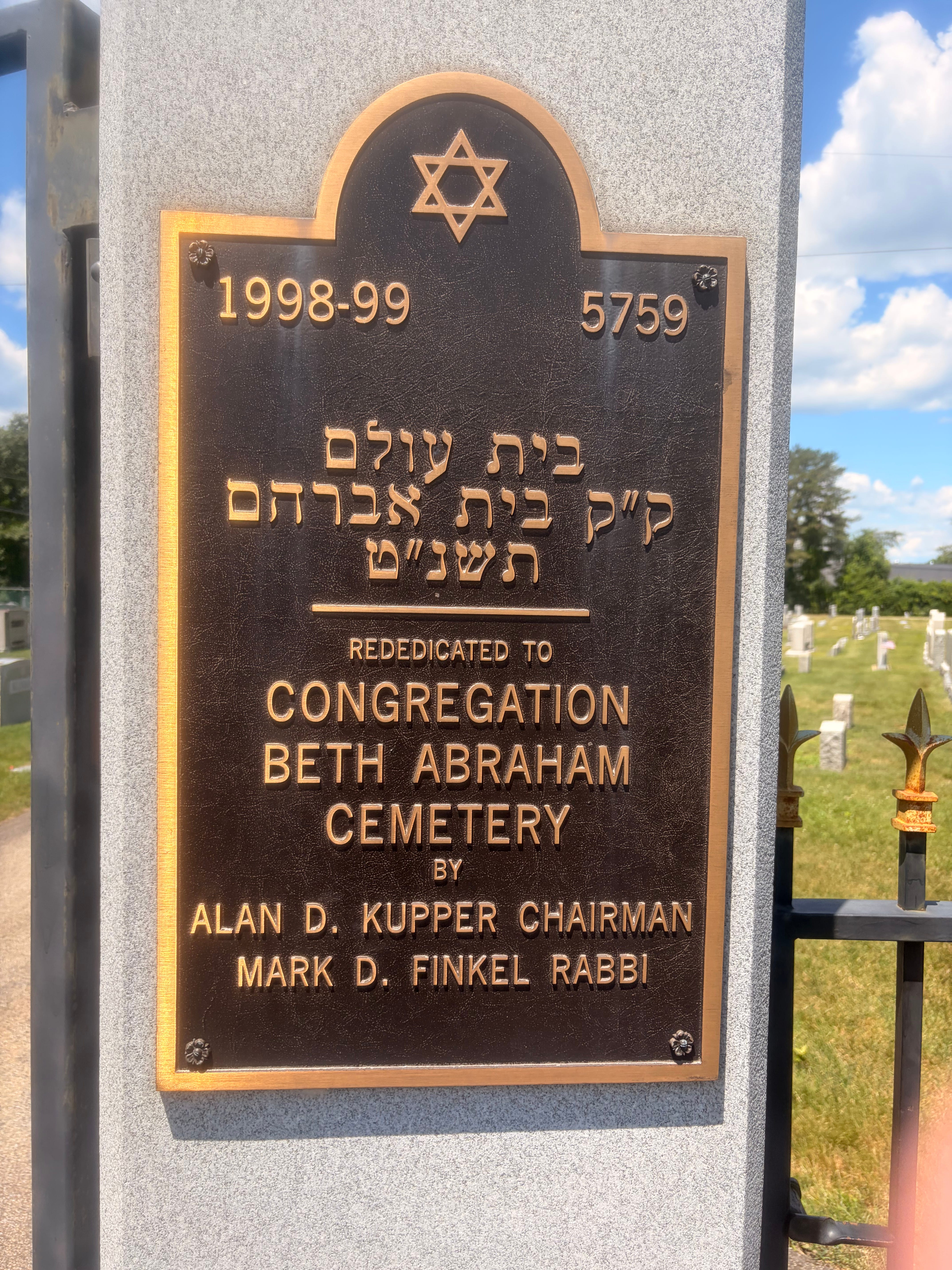
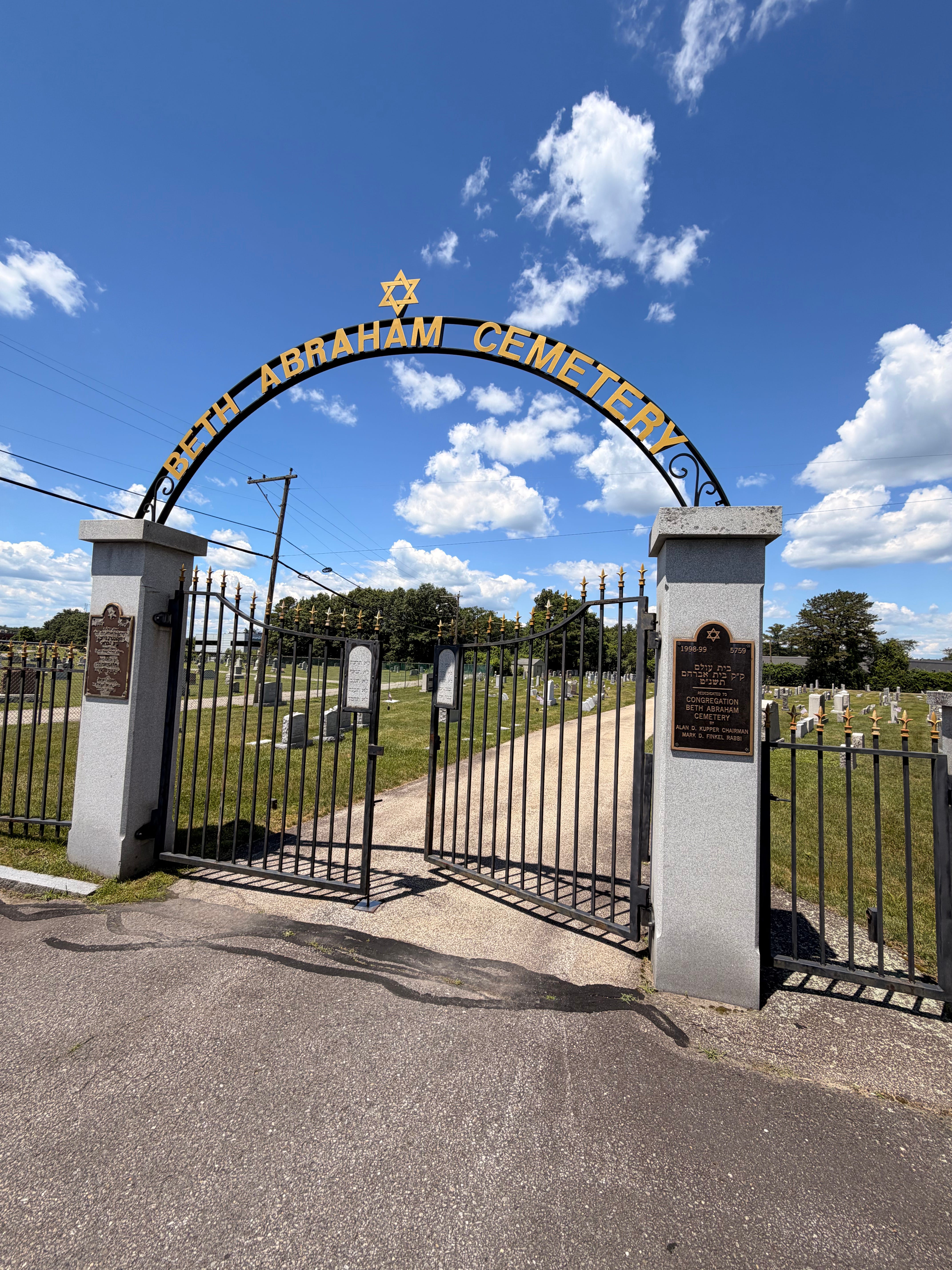
At Temple B’nai Abraham in Nashua, Mr. Kupper served his Jewish community in many leadership roles, but none more consistently and with as much commitment as head of the cemetery committee for more than twenty-five years. So in the spirit of Kaddish d’Rabbanan, our memorial prayer in honor of learning, I went to the cemetery this week and laid stones on Mr. Kupper’s grave. The Kaddish d’Rabbanan ends with these words:
“For Israel and for the rabbis and for their disciples and for the disciples of their disciples and to all who engage in the study of the Law in this or in any other place, unto them and unto you be abundant peace, grace, lovingkindness, mercy, long life, ample sustenance and salvation from the Father who is in heaven and we say, Amen.”
What a marvelous echo of the central message from the prophet Micah in this week’s haftarah reading:
הִגִּ֥יד לְךָ֛ אָדָ֖ם מַה־טּ֑וֹב וּמָֽה־יְהֹוָ֞ה דּוֹרֵ֣שׁ מִמְּךָ֗ כִּ֣י אִם־עֲשׂ֤וֹת מִשְׁפָּט֙ וְאַ֣הֲבַת חֶ֔סֶד וְהַצְנֵ֥עַ לֶ֖כֶת עִם־אֱלֹהֶֽיךָ׃
“He has told you, O man, what is good,
And what the Eternal requires of you:
Only to do justice
And to love goodness,
And to walk humbly with your God
Micah 6:8
In all those years of going to camp, I have no memory of Mr. Kupper and I being engaged in deep conversations about life; though I remember his kind smile and his thick Boston accent. But what I do know is this: Mr. Kupper owned a camp with my friend’s dad, while tending his own family and synagogue; and that camp was nestled among redolent New Hampshire white pine, where children learned to become young adults under the steady hand of their elders, who quietly, humbly, showed them the way.
Lovely!
My goodness do I appreciate this post. Growing up in CT, I was a huge Boston Celtic fan and have loved basketball my entire life. The stories you told plus the video made me weepy. Of course I’m sharing it with Max and Emma. Thank you so much.